
Article | 12 minutes read

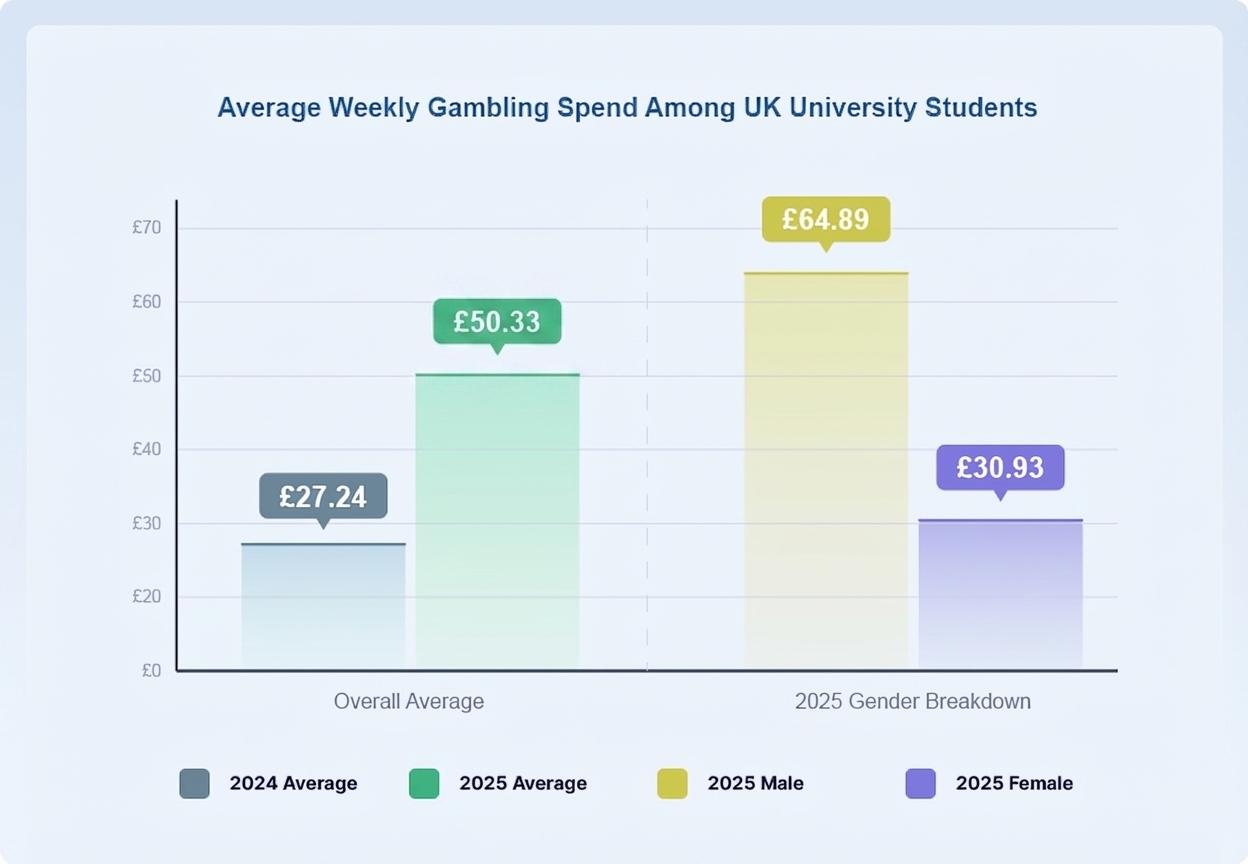
University students in the UK who gamble are now losing an average of £50.33 per week, nearly double the £27.24 recorded just one year earlier. That sharp rise is the headline finding from the 2026 Annual Student Gambling Survey, published in March 2026 by Ygam and Gamstop Group.
Now in its fifth year, the survey collected responses from 2,000 university students across the UK in December 2025. Overall gambling participation has declined, yet the financial toll on those who gamble has grown significantly.
The study also found that about 18% of student gamblers were experiencing problem gambling. The findings raise questions about how universities, regulators, and the industry should respond.
Around 65% of surveyed students reported gambling in the previous 12 months, down from 78% in 2022. Among male students, participation remains higher at 75%, compared to 55% of female students.
Despite fewer students gambling overall, those who do are spending far more. Average weekly losses jumped from £27.24 in 2024 to £50.33 in 2025, according to the survey. Over a fifth of students who gamble spend more than £50 per week. Male students lost more than twice as much as female students:
For the purposes of the Annual Student Gambling Survey, “spend” refers to the net amount students staked and lost after subtracting any winnings. That means the spending figures cited here reflect losses rather than total amounts wagered.
More than half (53%) of student gamblers said their primary motivation was to make money, up from 45% the previous year. Financial pressures, including the ongoing cost-of-living crisis, may be pushing more students toward gambling as a perceived solution.
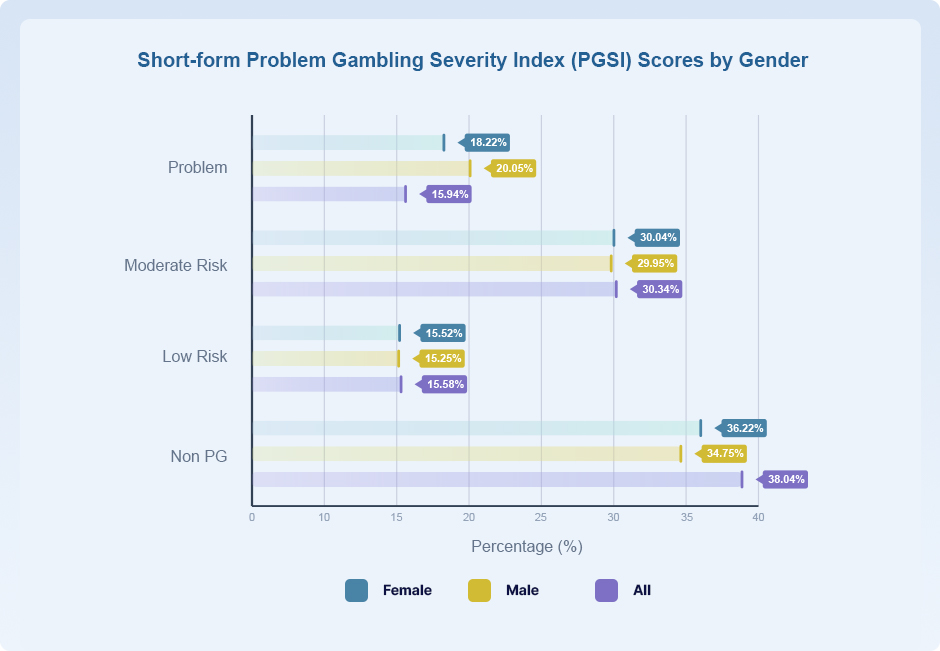
Researchers used the short-form Problem Gambling Severity Index (PGSI) to assess risk levels. Among surveyed students who gamble, the majority face some degree of risk:
Male students were more likely to score in the problem gambling category (20%) compared to female students (16%). Students from Mixed and Asian ethnic backgrounds showed some of the highest rates of problem gambling, at 23% and 22.6%, respectively.
Higher levels of gambling harm were also identified among students from Black ethnic backgrounds, where 20% fell into the problem gambling category. Across all students who gamble, only 36% were classified as non-problem gamblers, meaning nearly two-thirds showed at least some level of risk.
Gambling’s consequences extend well beyond financial losses. Nearly half (46%) of students who gamble said it hurt their university experience. Males were slightly more likely to report an adverse impact (48%) compared to females (44%).
Common impacts reported by student gamblers included:
As for funding, 52% used their salary or earnings, 37% dipped into savings, and 21% relied on their student loan. That last figure highlights a direct link between student finances and gambling-related harm.
Friends remain the strongest influence on student gambling behavior, cited by 36% of those who gamble. However, social media has grown sharply as an influence, now shaping the habits of 34% of student gamblers. Sporting events ranked third at 32%.
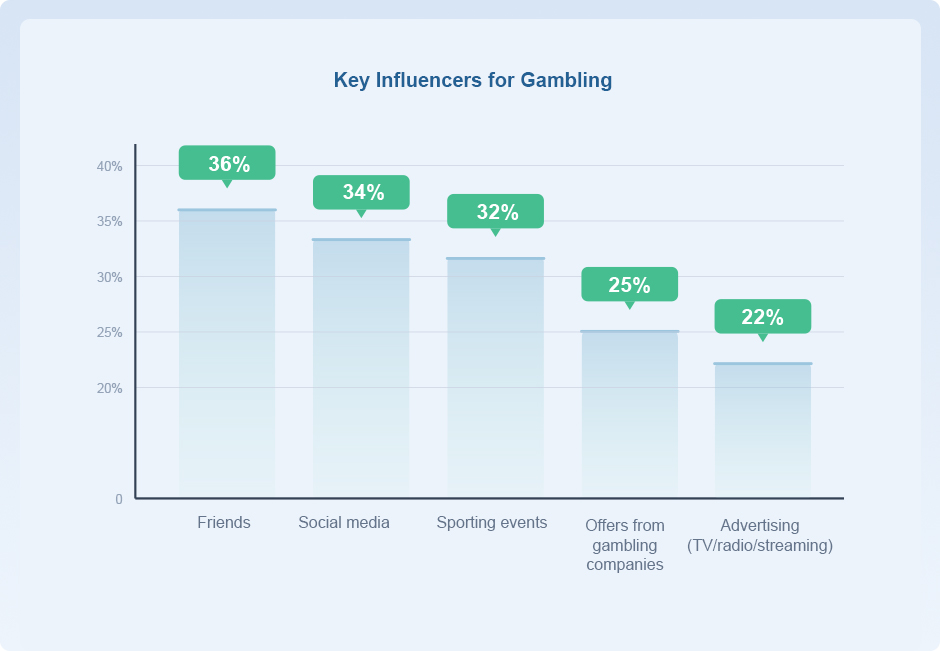
More than one in three student gamblers said social media influenced their gambling behavior. Influencer content, targeted advertising, and peer sharing all help normalize wagering. That trend aligns with broader concerns about gambling promotion on digital platforms.
“The digital world that students are immersed in is shaping attitudes and behaviors in ways we are only beginning to fully understand. What is particularly concerning is the sharp rise in weekly gambling spend among university students compared to last year.”
Emily Tofield, Ygam CEO
On a more positive note, awareness of support services is increasing. Among students who gamble, 58% knew about support available at their university. Meanwhile, 69% felt at least somewhat confident accessing help, up from 59% the year before.
Gamstop Group has reported a significant rise in registrations among under-25s in recent years. Nearly 60,000 people in that age group are now self-excluded via Gamstop Online, a 75% increase in five years.
“The Student Gambling Survey reveals a worrying lack of awareness about the risks of gambling in the student community and the impact on students who struggle to control their gambling, but it is encouraging to see more awareness of the support available.”
Fiona Palmer, Gamstop Group CEO
These findings point to a need for greater coordination in higher education. Recommendations include strengthening partnerships between universities, student unions, and gambling harm organizations. Earlier risk identification and consistent pathways to support are key goals.
Stronger safeguards against social-media-driven gambling promotion are also needed, including tighter advertising controls and improved digital literacy. Embedding information about gambling harms within financial education would position gambling as a risk to finances, not just a lifestyle choice.
Finally, integrating gambling harm prevention into wider well-being strategies alongside alcohol misuse, substance abuse, and mental health initiatives would be beneficial. This approach could reduce stigma, normalize conversations, and provide clearer support for students who need it.