Article | 12 minutes read
SBC Rio offered a clear snapshot of where LATAM’s iGaming market is heading. In this interview, iGaming.com CEO Dr. Andreas Ditsche shares key takeaways from the event — from Brazil’s dominance to the growing importance of trust, credibility, and human expertise in an AI-driven industry.
Denitsa: Andreas, let’s start at the beginning. How was the journey to SBC Rio?
Andreas: Long enough to rethink your travel habits.
The journey took around 14 hours in total, flying via Rome, followed by another hour by taxi through Rio to reach the hotel. We stayed close to RioCentro, which turned out to be a very smart decision — because proximity really matters at this event.
Denitsa: First impressions — what stood out about the event itself?
Andreas: What struck me most was how efficiently designed the event was.
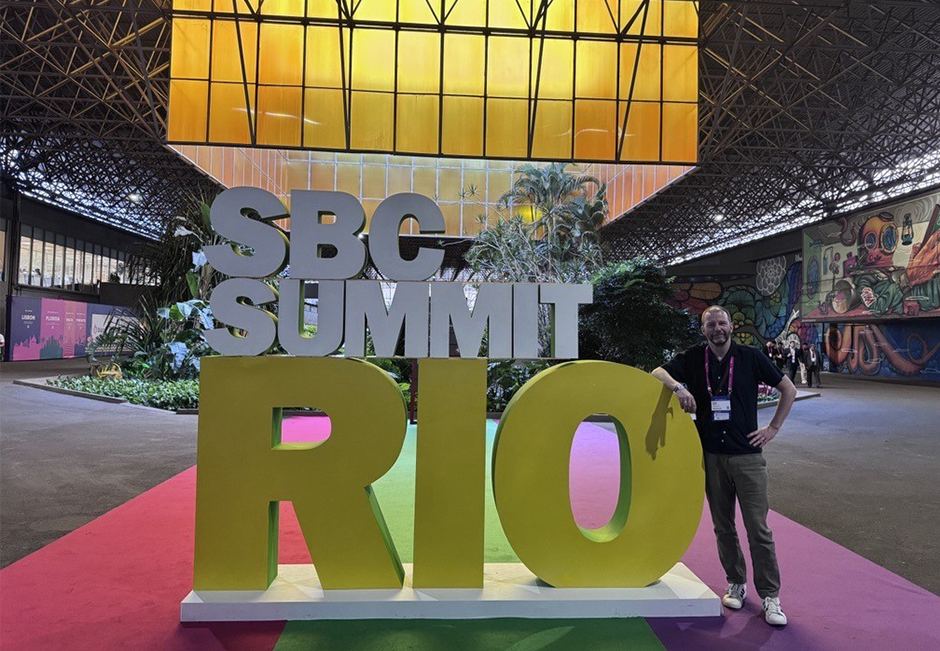
RioCentro is relatively compact, which makes it incredibly easy to navigate. You don’t waste time walking endless distances between halls. Instead, you naturally run into people, start conversations, and continue them over coffee or food.
There were many open-air areas and food courts, which created a very relaxed and social atmosphere. Networking didn’t feel forced — it happened naturally between sessions, over coffee, or just walking between areas.
Denitsa: Would you say it’s an international event?
Andreas: Not in the traditional sense — and that’s actually its strength.
SBC Rio is clearly a LATAM event, with a strong Brazilian core. Most attendees were from South America, especially Brazil. Many panels were held in Portuguese, often with translation.
That sends a clear signal: this is a regional market defining itself — not adapting to international expectations.
If you want to succeed here, you need to adapt to them, not the other way around.
Denitsa: Let’s talk about the content. What were the key themes?
Andreas: The content was surprisingly strong and diverse.
We saw everything from government officials discussing regulation and taxation to industry experts analyzing market developments and the role of AI.
Brazil dominated the conversation — which makes sense. With an estimated 31 billion BRL in GGR, it is clearly the heavyweight in South America.
But interestingly, one country kept coming up repeatedly: Peru. It’s increasingly seen as a rising star in the region.
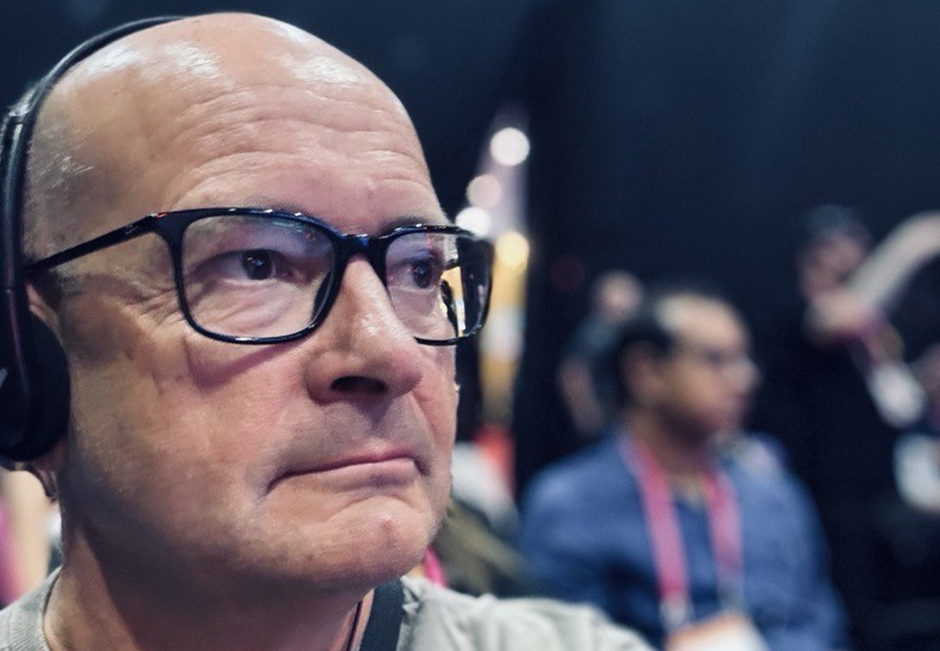
Denitsa: You also participated as a speaker. What was your main message?
Andreas: We spoke about the future of SEO and affiliation — and the shift we’re currently seeing. In simple terms: SEO is becoming GEO — Generative Engine Optimization. And that changes the rules fundamentally.
“You compete with proof of humanity. Players are overwhelmed by options. They need simple advice from a trusted source.”
AI can process and aggregate information. But it cannot build genuine trust. That’s why EEAT — Experience, Expertise, Authoritativeness, Trustworthiness — is no longer just a guideline. It’s becoming the foundation of competitiveness.
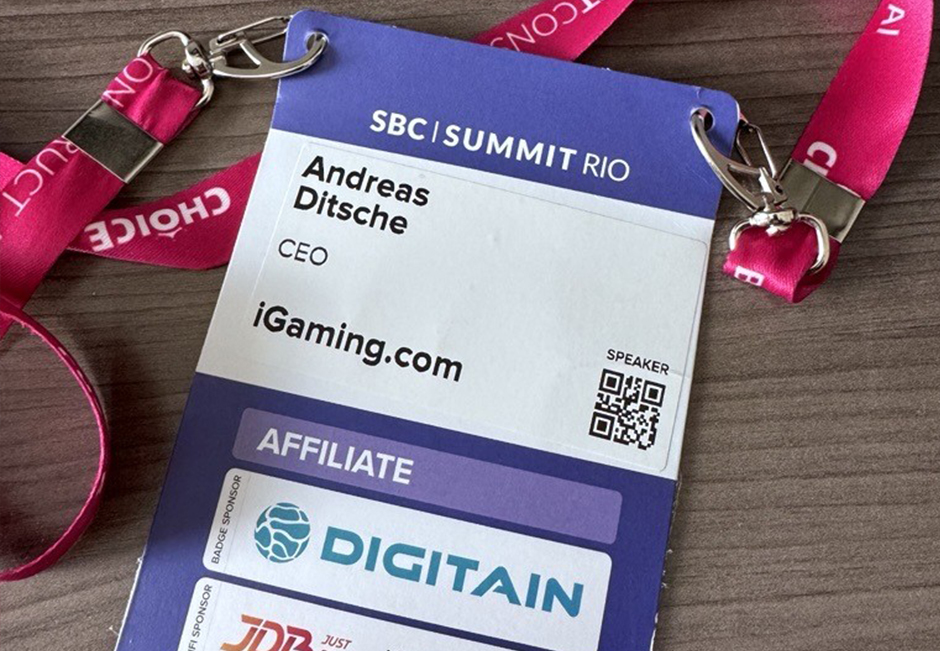
Denitsa: That sounds like a major shift. What does it mean in practice?
Andreas: It means the era of mass-produced content is ending. “AI can aggregate data, but it cannot manufacture trust.”
The future of affiliation is not just about ranking anymore. It’s about:
— Building strong brands
— Establishing credible voices
— Creating content that reflects real experience
Ultimately, success will come from becoming a trusted reference point — even in an AI-driven environment. Or put differently: people should ask for your brand by name — even when ChatGPT is giving them the answer.
Denitsa: How was the overall organization of the event?
Andreas: Impeccable. And I don’t use that word lightly.
Transfer buses were on time, logistics worked smoothly, and the entire experience felt professional and well thought out. Execution quality often reflects market maturity — and this was a strong signal that Brazil is taking this industry very seriously.
Denitsa: Did you get a chance to experience Rio beyond the conference?
Andreas: Briefly, yes. On the last day, we visited Sugarloaf Mountain. It’s one of those moments where you step outside the business environment and realize where you actually are.
And that matters. Because markets are not abstract — they are cultural, social, and human environments. If you want to operate successfully, you need to understand that context.

Denitsa: What are your key takeaways from SBC Rio?
Andreas: There are a few very clear ones:
First: Brazil dominates LATAM’s iGaming market.
Second: The region is growing — but not uniformly. Peru is one to watch.
Third: Local presence is essential.
If you want to succeed in Brazil, you need:
— People on the ground
— A local legal entity
— Cultural understanding
A purely remote strategy will not be enough.
Denitsa: Final question — will you return?
Andreas: Yes — but with a clear perspective. SBC Rio is a strong, focused event with deep regional relevance. But it is also very Brazil-centric.
So if your goal is global exposure, you should complement it with other, more international conferences. But if you want to understand where LATAM — and especially Brazil — is heading, this event is incredibly valuable.
Because one thing is clear: LATAM is no longer an emerging market. It’s an arriving force.