Article | 2 minutes read

The UK is significantly increasing funds to strengthen consumer protection, combat illegal gambling, and enforce compliance across the land-based and online gambling sectors. Two main initiatives signal a major regulatory push as the industry navigates rising taxes and evolving reforms to the Gambling Act.
At the Bacta Annual Convention in November, Andrew Rhodes, Chief Executive of the UK Gambling Commission, made a few important announcements.
First, the Treasury has allocated an additional £26 million over the next three years to fund the regulator’s battle with illegal gambling. According to Rhodes, this is a ninefold increase in the budget usually dedicated to such efforts.
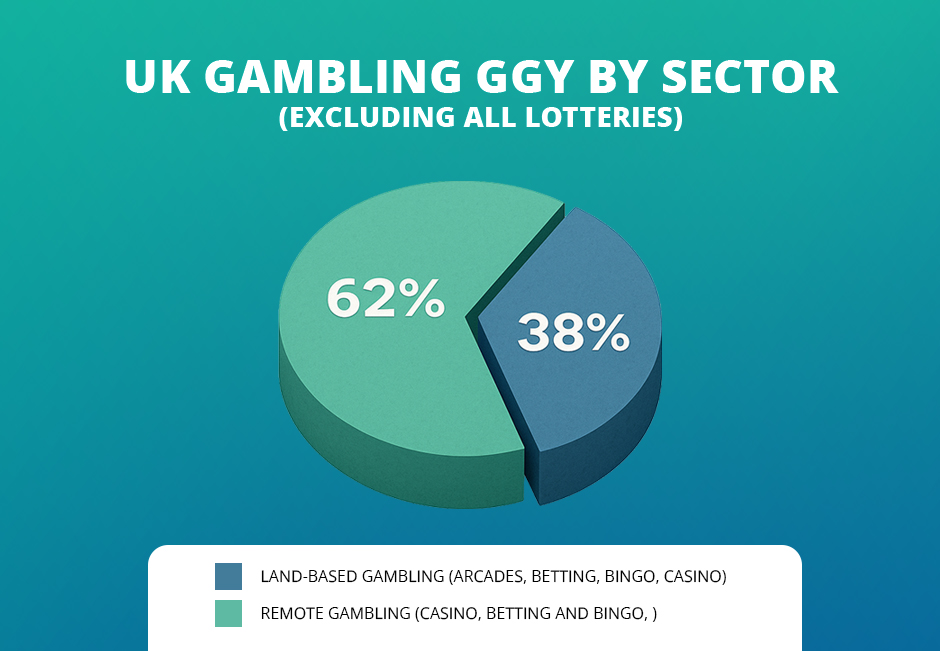
Rhodes said he expects that this will make a real difference and allow the Commission to effectively manage the land-based sector in the country. Despite the widespread popularity of the online gambling sector, the latest data shows retail establishments still have a strong presence on the market with:
According to official industry statistics, the fiscal year April 2024 – March 2025 recorded £12.6 billion in Gross Gambling Yield (GGY) excluding all reported lotteries (9.3% YoY increase). Of this, £4.8 billion came from land-based venues. This accounts for approximately 38% of the total GGY, which is a rather substantial portion.
Rhodes used the convention stage to reaffirm the Commission’s firm position against non-compliance, particularly around consumer protection measures like self-exclusion schemes.
In the last few months, the regulator has suspended the licenses of 7 AGC operators for failing to offer self-exclusion. And while most have been reinstated after remedial steps, all remain under investigation.
A further 6 licenses have been suspended for other reasons, contributing to a total of 13 suspensions. This enforcement protects not only consumers but also compliant operators investing in high standards. Rhodes specifically emphasized this during his speech:
“All of you who are making investments and making an effort to deliver high standards should expect to see the regulator take action against those who don’t. Those who fail to do what they’re required to do. They’re not just letting their customers down, they’re letting you down and they’re leaving you open to criticism as a whole sector.”
Andrew Rhodes, Chief Executive of the UK Gambling Commission
The Commission is actively looking to find ways to collaborate with industry stakeholders to “keep on making gambling safer, fairer and crime free”. Events, workshops, and ongoing dialogue have already been organized to make this collaboration possible.
Joint efforts are currently being dedicated to the Gambling Act Review implementation. Rhodes briefly touched upon the consultation the Commission launched on Games Machines. Following feedback from over 1,000 responses, the organization is working on combining the 12 Gaming Machine Technical Standards (GMTS) into one single, clearer document.
Complementing the illegal gambling budget boost, the UK government announced a £30 million fund to go towards gambling harm prevention efforts by non-profits. The two-year initiative fills critical funding voids as organizations face financial strain ahead of a statutory levy on operators. The fund will have the following three components:
| Component | Description & Purpose |
|---|---|
| Direct Prevention | Programs targeting people and communities early on to prevent the worsening of problem gambling and escalation of harm. |
| Innovation | Funding for new approaches or using know-how from other sectors to experiment with effective strategies to combat problem gambling. |
| Organizational Bolstering | Support for staffing, training, and systems to enable groups to expand operations and scale up. |
Voluntary and community groups have until January 9th, 2026, to express interest in receiving grants ranging from £5,000 to £2 million. Applications will be accepted from January 12th, 2026. The grants will be awarded by spring and disbursed from April. All of this was announced during an info session in October.
Any of the organizations to receive funding from the UK government must achieve an “industry-free funding status” by 2030 (National Lottery funds excluded initially). This is a non-negotiable requirement, in line with the country’s plan to shift and subsequently eliminate problem gambling NGOs funded directly by operators.
This approach will maintain objectivity and avoid conflict of interest. Responsible gambling NGOs will remain impartial and focused on public health over commercial interests. There will be some initial flexibility, but the ban will be stricter come April 2026.
The UK gambling industry is going through a challenging period with tax reforms and levy delays. However, there’s a clear commitment to compliance and consumer protection. Following the latest announcements from the UK government and the Gambling Commission, these areas have emerged as key focus for the future.
The UK has to achieve a balance between industry regulation and market attractiveness. This will keep players engaged with licensed operators and limit their exposure to the black market, where they become vulnerable to various threats. The country should steer clear of overregulating gambling, which might have the exact opposite effect.