Article | 4 minutes read

Since 2020, the gambling industry has expanded rapidly, especially on mobile. However, a new study by More in Common finds that many people believe this expansion needs to be curbed because it may be driving gambling-related harm. Our article explores the study’s findings and how the government can improve its regulations.
More in Common is a research agency and a member of the British Polling Council. It produces public opinion research used by policymakers and organizations to understand how people feel about issues ranging from climate change to refugees.
For this study, titled Ending a Losing Streak, it separated the public into seven groups based on their political leanings:
Most quantitative data was collected from August 22–26, 2025, with additional data collected in November. Meanwhile, qualitative research was carried out via Zoom calls across various locations, including Brent, Wigan, Clacton, and Newmarket. Overall, the study found that sentiments toward gambling are similar across the entire political spectrum.
The British public believes that gambling has become much more pervasive in recent years, with 63% noticing an increase in TV and online ads. Men aged 35–44 are the most likely to gamble regularly, and the study suggests young people in general will often place high-stakes bets.
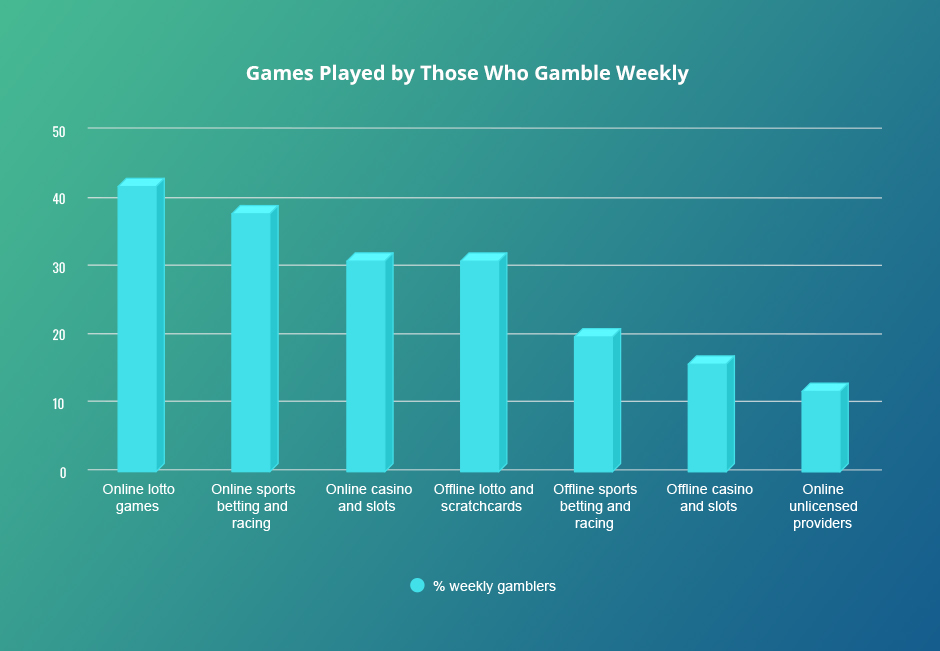
The research suggests younger people are the most vulnerable, especially when they have disposable income and are drawn in by promises of big wins. Meanwhile, young women are more likely to make big bets than older women. Of the respondents who gamble weekly, 42% play online lottery games. Here’s an overview of all games played:
Many British people believe that the rise of online gambling options has led to increased issues of addiction. However, they also acknowledge that there are many kinds of gambling, and some are perceived as lower risk, such as arcade claw machines or scratchcards.
The public also distinguishes between small bets on scratchcards and placing £500 on horse racing, seeing the latter as a bigger issue. Across the political spectrum, people are broadly tolerant of gambling, but the majority, including 17% of those who gamble regularly, believe the industry should shrink.
The rapid expansion of the gambling industry has raised concerns about its impact on individuals and families. One in five people says they have been affected by problem gambling or know someone who has.
Even with the presence of tools like deposit and time limits, many respondents believe the situation will only get worse. Here are some of the biggest concerns:
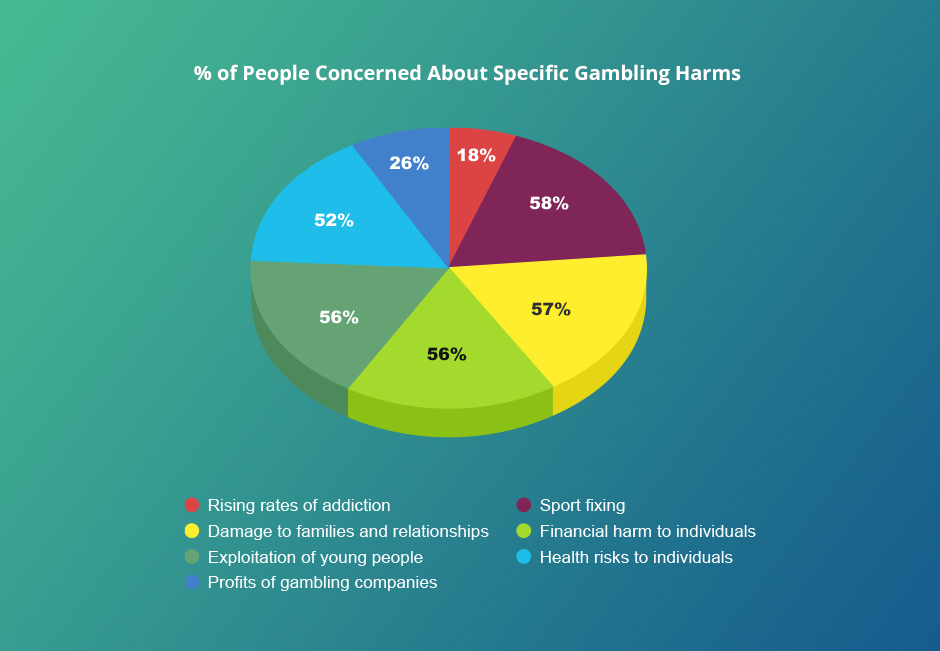
In the study, match-fixing and company profits are the least of people’s concerns, as they’re more worried about gamblers destroying their relationships or going into debt. The public is also concerned that digital banking makes it harder to track how much is being spent.
Around 75% of all British people believe gambling venues should have restricted hours. Many betting shops are clustered near pubs, raising concerns about gambling and alcohol reinforcing each other.
Another primary concern is the accessibility of gambling. In the past, children would be turned away at betting shops. Now, they might access gambling apps despite age checks, and video games also introduce gambling elements like loot boxes.
Some respondents place the responsibility for protecting children from gambling on individuals. However, many others believe the industry and regulators are failing to act sufficiently.
“I think that’s what it comes down to. I think it comes down to being able to control what you’re doing.”
Alison, Nurse, Clacton-on-Sea
Despite the efforts of responsible gambling organizations, people think the industry isn’t doing enough to combat addiction, seeing GamCare’s campaigns as insufficient on their own. While tools like self-exclusion can help, 53% of respondents believe there needs to be more regulation, like slower speeds on slot games.
Most people in the UK believe gambling should be regulated further, with 52% of football fans believing gambling advertisements in the sport should be reduced. This aligns with moves to phase out front-of-shirt gambling sponsors in the Premier League.
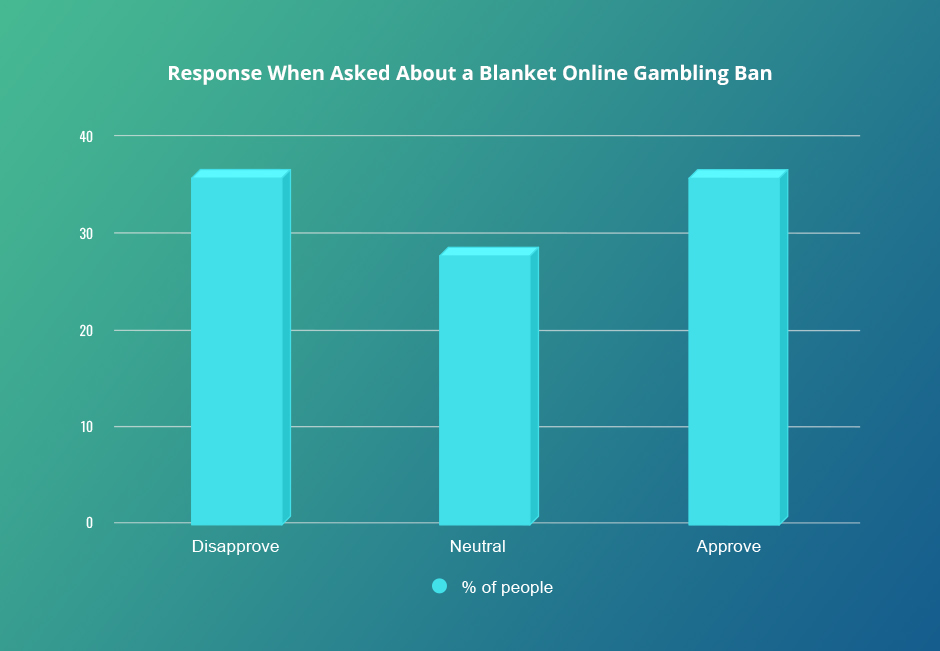
However, people don’t want a blanket ban. Many saw the lottery and some arcade games as relatively harmless. The study found a 50/50 split on whether online gambling should be banned.
Another interesting finding is that 50% of respondents don’t trust the UK Gambling Commission to regulate the industry effectively. People want even stricter monitoring of losses and more power for local councils to prevent more betting shops from appearing on streets.
Some respondents also worry that higher taxation could make the government rely on the gambling industry for funding and encourage its growth rather than control it.
More in Common’s study finds that the public wants stricter regulation of gambling. These attitudes come as new measures, such as wagering caps and cross-product bans, are introduced. Around 68% of people believe more regulation is necessary, even if it will impact people’s ability to gamble. Labour voters demand that the party do more to protect people.
“They’ve not actually fulfilled much of their manifesto in terms of the budget or spending and in terms of gambling itself, again, it’s having a negative impact, which could be something that’s regulated or something that is more accessible for help. So I don’t think I’ll be voting Labour if there was an election anytime soon.”
Jason, Customer services, Wigan, Labour-Reform switcher
More in Common suggests that taxation isn’t enough and the government will have to introduce additional laws. One piece of advice is to restrict further advertising so young people won’t be exposed to it. There’s also a recommendation to limit the reach of mobile casino marketing and tighten onboarding checks for younger adults.