Article | 5 minutes read

2025 proved to be another turbulent year for the global iGaming sector. Governments tightened regulations, operators deployed new safer gaming technology, and several regions opened their markets. At the same time, concerns about youth exposure, gambling-related harm, and the growth of illegal operators dominated headlines.
Across iGamingCare’s reporting this year, a clear pattern emerged. Regulators and operators faced increasing pressure to modernize, protect vulnerable groups, and balance booming digital participation with the need for strong safeguards.
This year-end overview highlights the key trends seen across our news coverage and case studies. We also consider what these developments may mean for the industry in 2026.
Several key themes shaped our news articles throughout 2025. These global trends appeared across markets, influencing regulatory decisions, operator behavior, and player protection efforts.
Across Europe and many regulated markets, safer gambling has been at the center of policy debates. Authorities tightened advertising rules, raised expectations for risk-based checks, and asked operators to intervene earlier when play shows signs of harm.
Tools like affordability checks, deposit limits, time-outs, and self-exclusion are spreading worldwide, with more markets transitioning from voluntary standards to mandatory rules. Influencer marketing also faced increased scrutiny, with significant fines issued in markets such as the Netherlands and Finland.
Regulatory fragmentation remained a defining theme in 2025. Even as many countries tightened controls, the lack of shared standards, especially in Western Europe, left operators dealing with a patchwork of rules.
There were signs of progress toward harmonization. The European Commission consulted on unified gambling standards, and the EU approved a shared framework for markers of harm, giving operators a more consistent way to spot risky behavior.
Several countries took a tougher stance on enforcement in 2025. Authorities in the UK, Spain, Norway, Germany, and others issued fines for breaches related to customer protection, marketing, and anti-money laundering controls.
Tax policy also shifted as governments sought to increase revenue from online growth while trying not to push players offshore. Elsewhere, markets like the Philippines applied pressure on illegal operators through blocking, payment limits, and sanctions for promoting unlicensed sites.
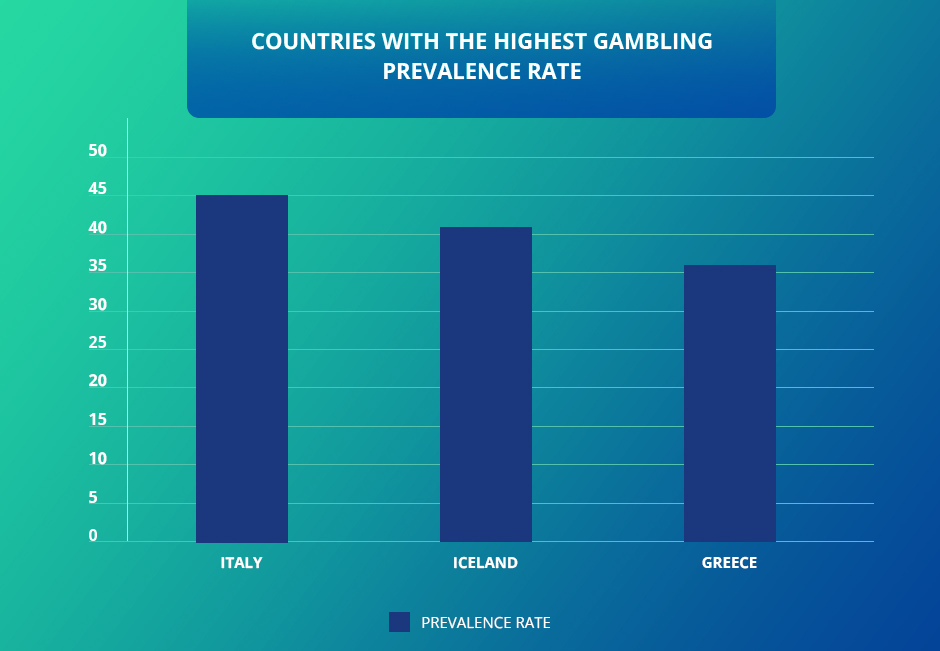
Mobile and online gambling continued to expand in both mature and emerging markets. With that accessibility came mounting concerns about youth exposure. Reports showed a worrying rise in participation among teenagers and young adults, particularly across Europe, as highlighted in the chart below.
Many regulators strengthened ad-targeting rules, limited the times when gambling advertising can appear, or restricted content that might appeal to minors. Meanwhile, operators invested more in automated systems to detect underage use and harmful play patterns.
2025 was a year of record participation levels in North America. More than half of American adults gambled in the past year, driven by the continued expansion of online sports betting and a surge in casino visitation.
Latin America experienced one of the world’s biggest regulatory shifts. Brazil launched its full regulatory framework, while Peru, Paraguay, and the Dominican Republic strengthened or introduced new licensing systems. These reforms attracted international operators and shifted attention toward Latin America as a region on the rise.
This section provides an overview of regional developments across major gambling markets. It highlights how different parts of the world responded to regulatory challenges, market growth, and emerging consumer risks in 2025.
Tightened advertising rules in Spain and Norway aimed to reduce exposure for vulnerable groups, particularly younger people. Meanwhile, Switzerland and Liechtenstein joined forces to implement a cross-border exclusion list.
The UK continued its move toward advanced affordability checks. It also introduced a statutory levy for the research, prevention, and treatment of gambling harm. Germany struggled with channelization and the challenge of steering players from the black market. Debates over high tax rates and their effect on legal play were common across several EU markets.
European regulators also increased enforcement against influencers and unauthorized operators. Meanwhile, EU-level discussions explored whether more alignment on safer gambling minimum standards is possible, even as national politics remained diverse.
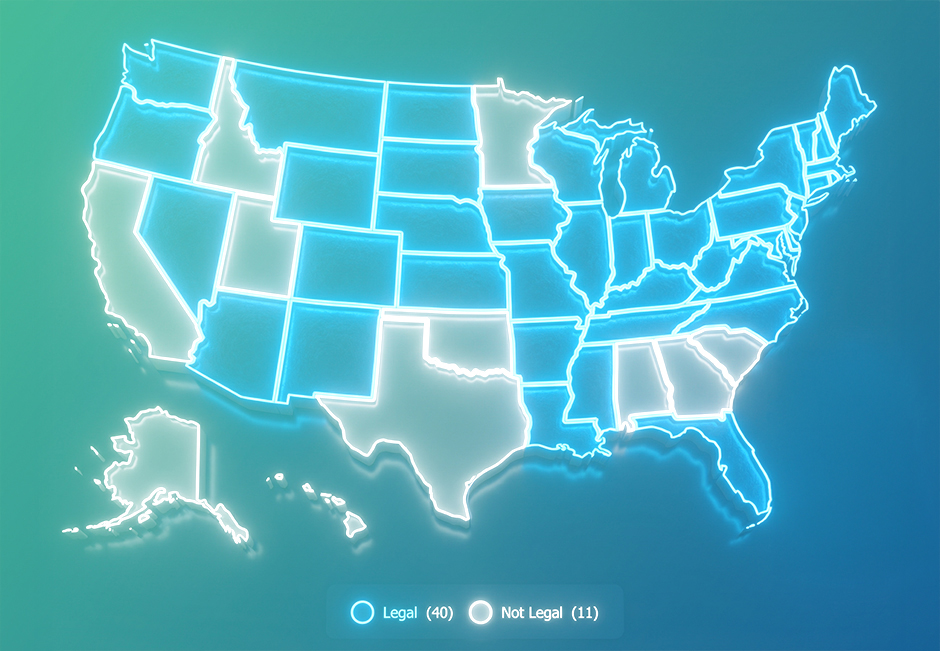
The United States experienced record gambling participation and casino visitation. Sports betting expanded to 39 states plus the District of Columbia, and public support for legalization remained strong. Several states have introduced or strengthened measures to fund responsible gaming, increase visibility of helplines, and require operators to monitor risk.
In Latin America, our coverage of the 2025 regulation highlighted a shift from fragmented or monopoly models toward more transparent and competitive frameworks. Brazil’s progress on a national regulatory regime drew particular attention, alongside developments in Chile, Peru, Paraguay, and the Dominican Republic.
Online gambling is experiencing rapid growth across Africa, with a projected market value of $11.42 billion by 2032. South Africa has the largest regulated gambling market on the continent, backed by a robust regulatory framework. In 2025, South Africa reinforced its position as a leader in responsible gambling through national summits and the expansion of monitoring technology.
Elsewhere, Kenya’s mobile betting market experienced significant growth, raising concerns about increased youth exposure. In response, the government introduced gambling reforms, including higher taxes, age checks, and a temporary ban on gambling advertising.
In 2025, authorities stepped up enforcement against offshore gambling sites in the Philippines. PAGCOR launched a verification portal, and Senate bills targeted access rules and payment channels, aiming to steer players toward licensed platforms. Legitimate Philippine casinos and betting firms are being simultaneously pushed to adopt stricter KYC processes.
Elsewhere in the region, Australia continued to serve as a notable example for national self-exclusion infrastructure. It also introduced significant fines for influencers promoting unlicensed gambling.
iGamingCare’s case studies offer in-depth, data-driven examinations of key industry issues, drawing on regulatory reports, market research, and expert commentary. The section below highlights the core findings from several of these reports.
Our case study on why Europe can’t agree on a safer gambling standard examined how fragmented rules shape operator behavior and player protection across Europe.
Key points from the study:
Together, these findings showed that Europe’s regulatory differences have real consequences for both operators and consumers. The EU’s move toward common harm detection is a significant step, although full harmonization remains a distant goal.
The release of the ESPAD Report provided alarming statistics regarding youth gambling in Europe. We reviewed the findings in our case study on the rising risk of teenage gambling in Italy and Greece.
The study highlighted:
The findings revealed that youth protection has become a key concern in gambling policy, rather than a niche topic. As also highlighted in our report on teen gambling risks in Spain, prevention efforts must extend beyond simple age checks.
The American Gaming Association (AGA) reported a record level of engagement in 2025. Our case study on US gambling participation examined the report findings. It explored what this growth means for policy and public health.
Main findings included:
The unprecedented growth of the US gambling industry is being driven by digital expansion, the legalization of sports betting, and a generally positive public perception of its economic impact. The study highlights the need for responsible gaming funding to match the accelerated development of the market.
We created a case study on LATAM iGaming Regulations, reviewing how several Latin American countries are reshaping their gambling markets through new licensing regimes.
The report underlined:
Latin America is a region in transition. The case study inquired whether LATAM could establish itself as a global benchmark for modern regulation that combines market liberalization with robust safeguards.
Looking across our case studies and news articles for 2025, we see that several themes dominate the coverage:
The past year reinforced that gambling is becoming more digital, more global, and more closely monitored. Markets are growing, but so are expectations that operators will anticipate and reduce harm, not only react to it.
In 2026, expect to see regulatory debates over Chile’s iGaming legislation. Also, keep an eye out for the next US states considering online casino legalization, as well as Europe’s push to align national rules with shared principles.
Youth protection and influencer advertising will remain in focus, alongside the wider adoption of AI-led monitoring. New Zealand’s new license auction model could also set a global precedent. iGamingCare will track these shifts and their real-world impact.